A Story of Strength and Survival: Overcoming Prostate Cancer with Expert Urology Care
Frequent urination, difficulty passing urine, or pelvic discomfort should never be ignored. Discover how Dr Puskar Shyam Chowdhury helped a patient fight prostate cancer through advanced urological treatment and compassionate care.
Dr Puskar Shyam Chowdhury
6/4/20263 min read
Introduction: When Simple Urinary Problems Became a Serious Concern
At 64, Mr. Anupam Mitra was enjoying his retirement life peacefully with his family. However, over several months, he began experiencing frequent urination, especially at night, along with difficulty emptying his bladder completely.
Initially, he believed these were normal signs of aging and ignored the symptoms. But as the discomfort worsened and occasional pelvic pain developed, his family encouraged him to seek specialist medical advice.
After detailed investigations and diagnostic testing, Anupam received unexpected and frightening news — Prostate Cancer.
The diagnosis left him emotionally overwhelmed, anxious about treatment, and fearful about his future health and independence.
Understanding Prostate Cancer
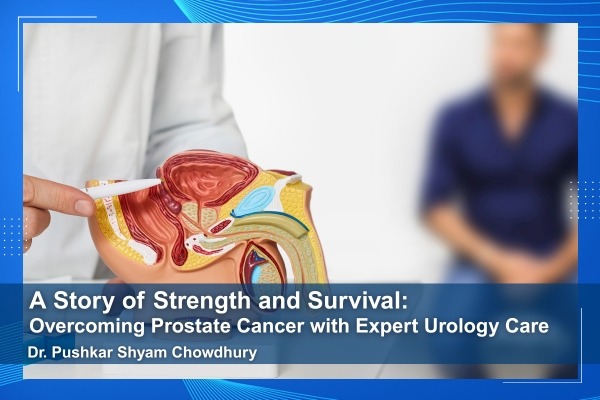
Prostate Cancer develops in the prostate gland, a small gland located below the bladder in men. It is one of the most common cancers affecting older men and may progress slowly or aggressively depending on the stage and type.
Common symptoms of prostate cancer may include:
Frequent urination
Difficulty starting or stopping urination
Weak urine flow
Blood in urine
Pelvic discomfort
Pain during urination
Unexplained fatigue or weight loss in advanced cases
Early diagnosis plays a vital role in improving treatment outcomes and long-term recovery.
Emotional and Physical Challenges After Diagnosis
For Anupam and his family, the diagnosis created emotional stress and uncertainty.
He struggled with:
Fear of cancer progression
Anxiety regarding surgery and treatment side effects
Emotional exhaustion and sleepless nights
Concerns about bladder control and quality of life
Fear of losing independence and normal routine
Like many cancer patients, he needed both advanced medical care and emotional reassurance throughout his journey.
Expert Consultation with Dr Puskar Shyam Chowdhury
Seeking specialized urology care, Anupam consulted Dr Puskar Shyam Chowdhury, a Consultant Urologist experienced in diagnosing and treating complex urinary and prostate conditions.
After reviewing PSA reports, imaging scans, biopsy findings, and staging investigations, Dr. Chowdhury carefully explained the diagnosis, treatment plan, and expected recovery process in simple and reassuring language.
His compassionate communication and patient-focused approach gave Anupam and his family renewed confidence during one of the most difficult periods of their lives.
Advanced Treatment Options for Prostate Cancer
Modern urology and oncology now offer highly advanced treatment solutions for Prostate Cancer.
Treatment options may include:
Prostate cancer surgery
Radiation therapy
Hormonal therapy
Minimally invasive urological procedures
Active surveillance in selected cases
Supportive rehabilitation and follow-up care
Dr. Chowdhury designed a personalized treatment strategy focused on cancer control, urinary function preservation, and long-term quality of life.
Why Early Prostate Cancer Detection Matters
Many men ignore urinary symptoms because they assume they are age-related. However, early medical evaluation is extremely important.
Early diagnosis and treatment help:
Improve cancer treatment success
Prevent disease progression
Preserve urinary and sexual function
Improve long-term survival outcomes
Enhance emotional and physical recovery
Regular health checkups and prostate screening can play an important role in early cancer detection.
Recovery Journey: Regaining Health and Confidence
Anupam’s recovery journey required emotional resilience, family support, and continuous medical follow-up.
Important milestones during recovery included:
Successful completion of cancer treatment
Improved urinary comfort and bladder function
Better emotional confidence and positivity
Gradual return to daily activities
Increased physical strength and independence
With proper follow-up care and lifestyle support, he steadily regained confidence and peace of mind.
Final Outcome: A Healthier Future Filled with Gratitude
Today, Anupam Mitra is living a healthier, more positive, and more confident life after successful prostate cancer treatment.
He now encourages other men never to ignore urinary symptoms and to seek timely medical evaluation from experienced urology specialists. His journey reflects how early diagnosis, advanced urological care, and emotional resilience can help patients successfully overcome prostate cancer.
Frequently Asked Questions (FAQ): Prostate Cancer
What is prostate cancer?
Prostate Cancer is cancer that develops in the prostate gland in men.
What are the early symptoms of prostate cancer?
Frequent urination, weak urine flow, difficulty urinating, pelvic discomfort, and blood in urine may be warning signs.
Is prostate cancer treatable?
Yes. Many prostate cancers can be treated successfully, especially when diagnosed early.
When should I consult a urologist?
You should seek medical evaluation if urinary symptoms persist, worsen, or interfere with daily life.
Can prostate cancer treatment affect quality of life?
Modern treatment approaches focus on both cancer control and preserving urinary and overall quality of life whenever possible.
Conclusion: Advanced Urology Care Can Restore Hope and Quality of Life
A diagnosis of prostate cancer can feel emotionally overwhelming, but modern urology and oncology now offer highly advanced treatment solutions capable of improving outcomes and long-term wellness.
Under the expert supervision of Dr Puskar Shyam Chowdhury, patients receive compassionate and personalized care focused on early diagnosis, effective treatment, recovery support, and quality of life preservation.
Anupam’s story is a powerful reminder that recognizing symptoms early, seeking timely specialist care, and staying emotionally strong can help patients overcome prostate cancer and move forward toward a healthier and more hopeful future.